The energy prices are constantly increasing in the UK, yet it is not possible to give up on using coolers in summer and heaters in winter. However, you can still try to control the amount of heat loss in your home, thus save money, and at the same time protect your environment. Let us now get to learn about 5 best and worst ways you can keep your home warm during the winter months, economically and successfully.
Before you dive into the tips below, it’s worth taking a step back and thinking about what you can do to get your home ready ahead of time. A little prep work at the start of the season goes a long way toward keeping your bills under control all winter. Running through a pre-heating season home checklist helps you spot the easy wins — like sealing drafts or servicing your stove — before the cold really sets in and every degree of heat counts.
Best ways:
Thick curtains will prove helpful
If you use thick curtains for your windows you can prevent heat from escaping, and you can also use curtains with thermal linings, they are cheap and does its job perfectly. You yourself can line the curtains with inexpensive fleece, and enjoy the results.
Allow sunlight in your home
Sunlight is not only a free but the best source of heat available and you must make the most of it. During the daytime, keep your shades and curtains away and allow sunlight in. Also, do not forget to draw the curtains as soon as it is dusk so that the heat stays in your home.
Keep your radiators free
Your radiators should not have any objects in front of them. You might have a big sofa right in front of your radiator, it might be looking great there, but remember, it will be absorbing the heat, so just move it away.
Check the energy efficiency ratings
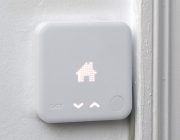
Another option worth adding to your smart heating setup is a smart thermostat — and the Tado Smart Thermostat heating control system is one of the more popular choices out there right now. It lets you control your heating remotely, set schedules around when you’re actually home, and avoid wasting energy heating an empty house. When you pair that kind of smart control with an energy-efficient radiator, you’re giving yourself a much better chance of keeping your bills down without sacrificing comfort.
When you buy your radiators make sure to check the energy efficiency ratings. It might not be possible for everyone to get the expensive models, but even many low-priced radiators have good energy ratings, and you just need to be watchful.
Once you’ve sorted out the efficiency ratings on your radiators, it’s worth stepping back and thinking about your whole setup as one system rather than a collection of separate parts. Small tweaks — like bleeding radiators, adjusting your thermostat schedule, or balancing the flow across rooms — can make a surprisingly big difference to how warm your home feels without pushing your bills up. These practical heating system optimisation tips are a great starting point for squeezing more performance out of what you already have before you reach for an extra layer.
Use your blankets
Using blankets is a great way to stay warm, so take out your blankets, use more than one if that helps you feel nice, warm, and comfortable. You can even hang your extra blankets on the doorway as that will play the role of a nice curtain, keeping the area warm.
Of course, blankets and the other tips above are just the beginning. There are some genuinely surprising methods that go well beyond the usual advice — things most people would never think to try. Our guide to untypical ways to keep your home warm covers some of those outside-the-box strategies worth having in your back pocket. But just as important as knowing what works is knowing what you should avoid — and that’s exactly where we’re headed next.
Another smart way to keep heating costs down is by switching to wood as your primary heat source. Wood heating — whether through a pellet stove, wood stove, or fireplace insert — delivers serious, long-lasting warmth without the unpredictable costs tied to gas or electric. It’s one of the most time-tested methods out there, and many homeowners find it dramatically cuts their monthly bills. If you want to dig into the details, this guide on wood heating as an efficient fuel source breaks down why so many people are making the switch. Now that you know what works, let’s talk about the habits that are quietly draining your warmth — and your wallet.
Worst ways:
Uninsulated roofs
Hot air will rise, and if your roof is not insulated then a good amount of heat will escape through your roof. This is one of the biggest mistakes you can make.
Uninsulated windows
If your windows are not insulated properly then you can lose as much as 20 percent of heat. It will be best to use double-glazed windows as the panes in between will act as an insulation.
Doors not sealed
Entrances and doors that are not sealed well can contribute to about 15-30 percent of your overall heating costs. If there are any gaps on your doors make sure to place weather-stripping on it, and also do not forget to keep your doors close to avoid heat loss.
Uninsulated walls
Tackling heat loss one problem at a time is the right approach, and walls and floors are usually at the top of the list. Many of the most effective fixes fall under the umbrella of common home improvements for heat retention — things like adding wall insulation, upgrading floor coverings, and fitting better window treatments. These aren’t just cosmetic changes; they genuinely reduce the amount of warmth escaping your home and can make a noticeable difference to your energy bills over time.
Since most of the outer part of your home is walls, if they are not made of a material with good insulating value, then you will experience heat loss and high energy bills.
Bare floorboards
If your floors are not properly insulated you can lose about 10 percent of heat. Wooden floors are not at all good for winter months, and to avoid heat loss through them make sure to add some rugs on your floors. Together with helping keep you warm, rugs can also make your home look more attractive.